
As products grow in demand, manufacturers must ensure their production partners can scale efficiently without sacrificing quality, consistency, or delivery timelines. In the world of plastics manufacturing, scalability is one of the most important factors separating capable suppliers from unreliable ones.
High volume injection molding requires far more than simply increasing machine runtime. Successful scalability depends on strategic planning, advanced tooling considerations, efficient workflows, skilled personnel, quality management systems, and reliable operational infrastructure.
At Nylacarb Corporation, scalable manufacturing is built through a combination of experienced engineering, operational oversight, advanced production capabilities, and integrated quality systems designed to support customers as demand grows.
Understanding how injection molders prepare for scalability can help businesses make more informed supplier decisions when evaluating long-term manufacturing partnerships.
What Is High Volume Injection Molding?
High volume injection molding refers to the large-scale production of plastic components using injection molding processes designed for efficiency, consistency, and repeatability.
While production volumes vary depending on industry and application, high volume manufacturing often involves:
- Thousands to millions of parts
- Continuous production schedules
- Tight tolerances
- Strict quality requirements
- Repeatable cycle times
- Long-term manufacturing programs
Industries such as:
- Aerospace
- Medical
- Automotive
- Defense
- Consumer goods
- Electronics
frequently require scalable production solutions capable of meeting increasing product demand without compromising reliability.
As order quantities increase, manufacturing complexity also increases. Injection molders must prepare their systems carefully to ensure production remains stable and efficient at scale.
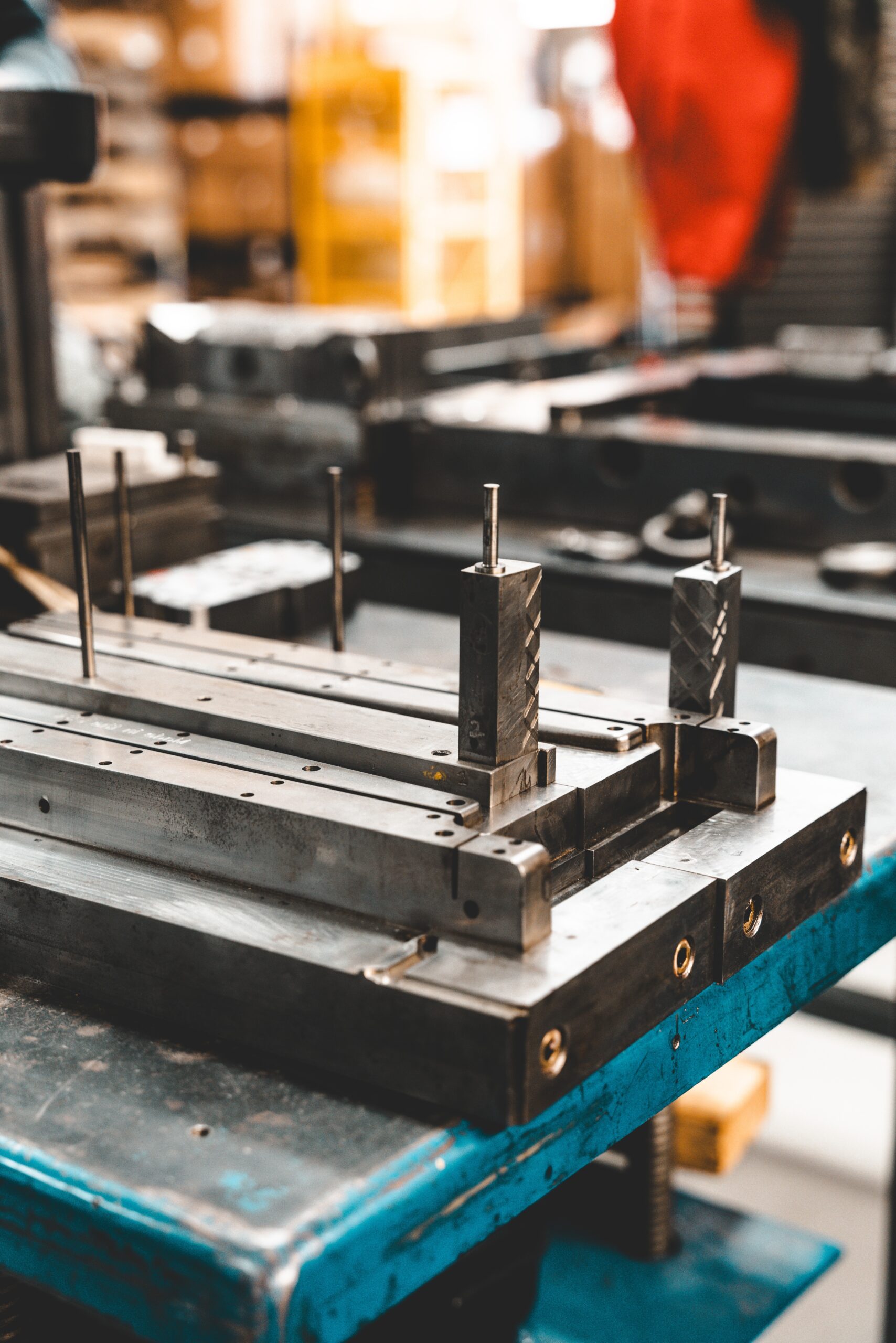
Tooling Design Is Critical for Scalability
One of the most important foundations of high volume injection molding is proper tooling design.
The mold itself directly impacts:
- Part consistency
- Production speed
- Cooling efficiency
- Maintenance requirements
- Material flow
- Long-term durability
When preparing for scalable manufacturing, engineers evaluate tooling designs to ensure they can withstand extended production cycles while maintaining dimensional consistency over time.
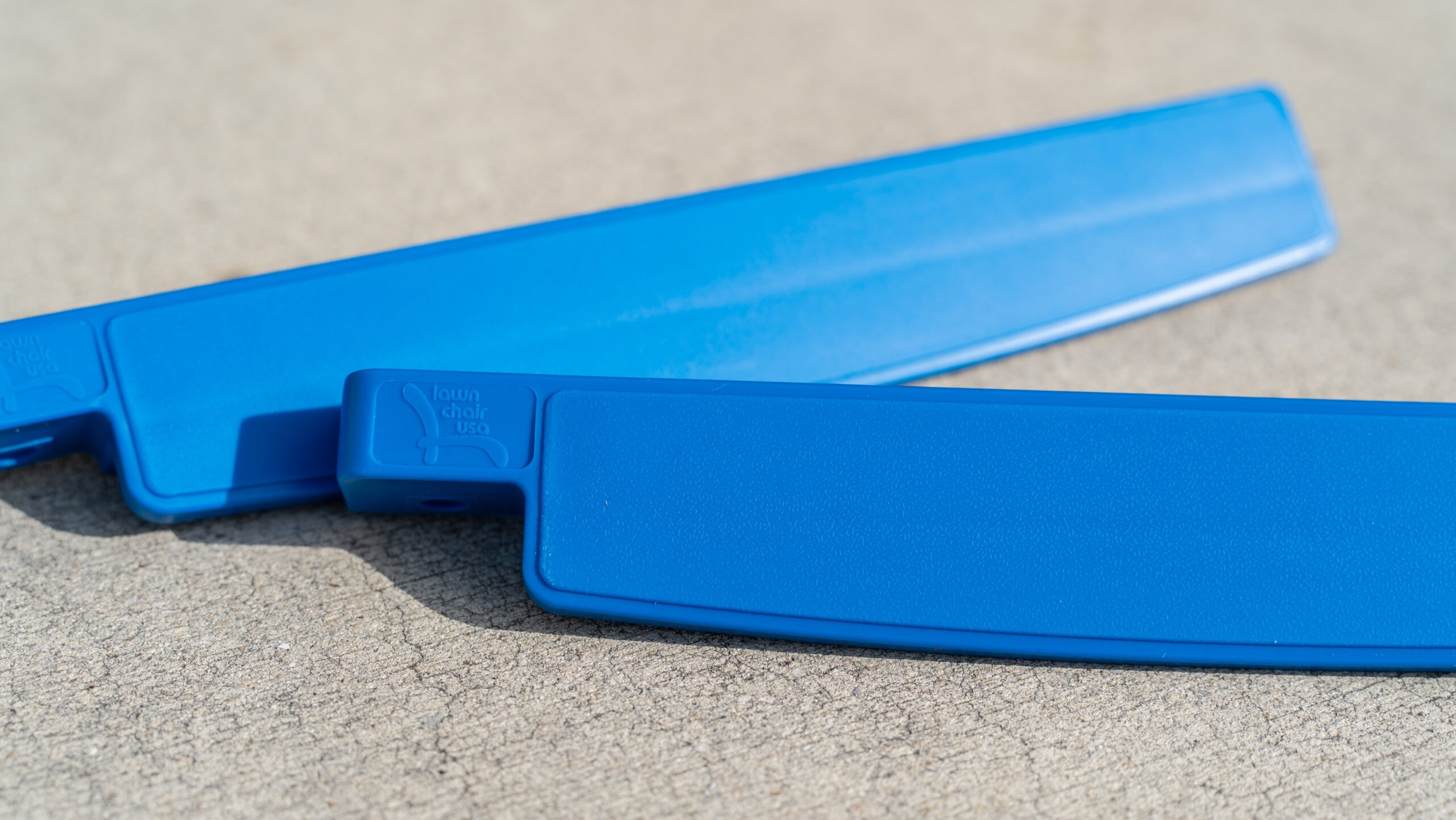
Factors commonly considered include:
- Steel selection
- Gate placement
- Cooling channel design
- Venting
- Cycle time optimization
- Multi-cavity configurations
For high volume programs, manufacturers may recommend hardened steel tooling capable of enduring hundreds of thousands or even millions of cycles.
Multi-cavity molds are also frequently used to increase production efficiency by manufacturing multiple parts during each injection cycle.
Well-designed tooling helps reduce downtime, minimize defects, and maintain stable production as demand increases.
Machine Capacity Must Match Production Demands
Scalable manufacturing also requires access to appropriate equipment and machine capacity.
Injection molding machines vary significantly in:
- Clamping force
- Shot size
- Material compatibility
- Precision capabilities
- Automation integration
At Nylacarb Corporation, production capabilities include 21 injection molding machines with capacities up to 425 tons of clamping force. This flexibility allows production teams to align machine selection with the specific requirements of each project.
Preparing for high volume injection molding often involves:
- Capacity forecasting
- Production scheduling
- Machine allocation planning
- Redundancy preparation
- Preventative maintenance scheduling
Manufacturers must ensure they have enough machine availability to support both current and future demand while minimizing disruptions.
Efficient machine utilization becomes especially important when supporting customers with ongoing or rapidly scaling production needs.
Staffing and Operational Oversight Matter
Even highly automated facilities still rely heavily on experienced personnel.
Scalable manufacturing requires:
- Skilled machine operators
- Process technicians
- Quality control personnel
- Production managers
- Engineers
- Maintenance teams
As production increases, coordination between departments becomes increasingly important.
At Nylacarb Corporation, hands-on management and experienced engineering support play an important role in maintaining production quality and operational efficiency. Effective communication between production teams, engineering staff, and quality personnel helps ensure manufacturing systems remain stable during high-volume runs.
Strong operational oversight helps manufacturers:
- Identify process issues early
- Reduce downtime
- Maintain scheduling efficiency
- Improve troubleshooting response times
- Ensure quality consistency
A scalable manufacturer is not simply defined by equipment volume, but also by the experience and responsiveness of the people managing production.
Supply Chain Stability Supports Scalable Production
Preparing for scalable manufacturing also requires reliable supply chain coordination.
Material shortages, shipping delays, or inconsistent resin availability can quickly disrupt high-volume production schedules.
Experienced injection molders often establish:
- Supplier relationships
- Material forecasting systems
- Inventory management procedures
- Backup sourcing strategies
These systems help reduce risk and improve production continuity during changing market conditions.
Supply chain stability became especially important in recent years as global manufacturing disruptions exposed vulnerabilities across many industries.
Manufacturers capable of proactively managing supply chain logistics often provide greater long-term reliability for customers planning scalable production programs.
Automation Improves Efficiency and Consistency
Automation plays a significant role in scalable injection molding operations.
As production volumes increase, manufacturers often integrate automation systems to:
- Improve cycle consistency
- Reduce labor variability
- Increase throughput
- Minimize handling damage
- Improve operational efficiency
Automation solutions may include:
- Robotic part removal
- Conveyor systems
- Automated inspection systems
- Material handling systems
- Packaging automation
While not every project requires full automation, scalable manufacturing environments often benefit from strategically integrated automation systems that improve consistency and production speed.
Automation can also support tighter process repeatability, which becomes increasingly important for industries with strict quality or regulatory requirements.
Quality Control Systems Become Even More Important at Scale
As production quantities increase, quality management becomes increasingly critical.
Even small inconsistencies can create significant problems when multiplied across thousands or millions of parts.
High volume injection molding requires robust quality systems designed to maintain consistency throughout production runs.
Quality control measures may include:
- In-process inspections
- Dimensional verification
- Material verification
- Statistical process monitoring
- Inspection documentation
- Real-time production tracking
At Nylacarb Corporation, quality inspections are performed regularly throughout production, with inspection criteria established collaboratively between engineering, management, and customer requirements.
Integrated quality systems help manufacturers:
- Detect deviations quickly
- Maintain traceability
- Reduce scrap rates
- Improve customer confidence
- Support compliance requirements
For industries such as aerospace, defense, and medical manufacturing, scalable quality systems are essential to maintaining long-term production reliability.
Scalability Requires Long-Term Manufacturing Strategy
Scalable production is not achieved through reactive decision-making alone. It requires long-term operational strategy and continuous improvement.
Successful injection molders consistently evaluate:
- Equipment utilization
- Process optimization
- Employee training
- Workflow efficiency
- Maintenance schedules
- Technology investments
Continuous improvement initiatives help manufacturers remain competitive while supporting growing customer demands over time.
Scalability also means preparing for future flexibility. As customer needs evolve, manufacturers may need to:
- Increase production volume
- Introduce new tooling
- Expand secondary operations
- Integrate additional automation
- Support product revisions
Manufacturing partners that prepare proactively for growth often become more valuable strategic partners over the lifespan of a product program.
High volume injection molding requires much more than production capacity alone. True scalability depends on the combination of engineering expertise, tooling strategy, machine capability, operational oversight, quality management, and long-term planning.
Manufacturers that invest in scalable systems are better equipped to support customers as production demands grow while maintaining the consistency and reliability required in today’s competitive industries.
At Nylacarb Corporation, scalable manufacturing is supported through experienced engineering, integrated quality systems, operational flexibility, and a hands-on approach to production management designed to help customers grow confidently over time.
Have more questions?
👉 Contact us today to discuss your next project.